


|
|
|
|
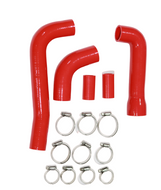
Bosch Motronic Fuel Injection Tech Article Under Construction! Please Check Back again soon. Introduction: This article is intended to help owners of cars with Bosch Motronic Fuel injection perform their own service. The article is based on the Original Motronic system used on the E28 BMW 535i. This same Motronic system is used on many other cars including the BMW 735i, BMW 528e, Alfa Romeo 164, Rolls Royce Flying Spur, and many many more. This system was also built under license in Japan and used on various cars built there especailly during the early and mid 90s.. Important note: If you have an E12 BMW 535 ( called the M 535i in some markets ), or an E12 528i DO NOT USE THIS article. Use the L-Jetronic article. While this article is primarily intended as a Fuel injection article, it will include testing information for the ignition and other systems related to the Motronic system. This is because the Motronic system ties into a lot of things, ignition, emission, even the 535i's automatic cabin temperature control. Everything it ties into will be covered. You will not need any Bosch or BMW testing equipment, this article should allow you to test and troubleshoot with just basic tools and an OHM meter. Important Note, the car used in the photos has SILVER Vacuum lines in most locations. They show up in the pictures fairly well. The lines on your car will probably be black. Pictured below is our 1987 535i. It has a silver hose kit installed. This kit includes engine compartment vacuum lines, winshield washer lines, and two coolant lines. The pieces are pre cut and the kit includes excellent instructions with two good diagrams. If your BMW has these fuel lines comming out of the passenger's side firewall, check them right away. If they fail fuel can spray onto the exhaust manifold catching the car on fire! Step 1, Eliminate air leaks Air leaks are one of the biggest problems on Motronic cars. It's not quite as sensitve to air leaks as the older L-Jetronic system, but it's still sensitive. If you want to see just how air leaks effect the motor, pull the oil dipstick out while the motor is idling. That introduces only a small leak, yet the effect is dramatic. *Air leaks can cause a lot of problems including difficult cold and or hot starting, loss of power, poor emissions, and general driveability problems. In an extreem case they can even cause internal engine damage. Motronic will compensate for very minor leaks by adjusting idle speed with the idle stabilization valve. In other words if you have a slight leak you won't see any real change at idle because the system will adjust idle. However it's ability to compensate once the throttle is advanced is marginal at best. Air leaks cause problems for two reasons. First, the Motronic system measures the volume and density of the air passing through the air flow meter and sends that information to the fuel injection computer also called the ECU. The ECU then calculates fuel requirements based largely on that information. If an air leak allows air to enter the system downstream of the airflow meter then the ECU has no accurate measurement of how much air is entering the engine. The second problem is that various devices including the fuel pressure regulator and evaporative purge valve (both discussed in detail later) as well as many other componenets require vacuum to function properly. An air leak will not only introduce un metered air into the system it will prevent important components from working properly. It makes sense to start troubleshooting by looking for air leaks. This is because they a possible and common cause of nearly every fault, and they are about the easiest and cheapest problems to solve. You don't want to throw hundreds of dollars in parts at a problem only to find out it was an air leak. Lets start by looking at the main air intake tube or "rubber boot" that connects the throttle body to the air flow meter. This thing has a lot of potential for leaks. It should be inspected very carefully for cracks. They tend to form on the bottom of the tube so you really need to remove it to properly inspect it. If it has any cracks it should be replaced. If you can't replace it because you can't find the part, or due to economic realities I suggest using "Shoo Goo" from the sporting goods section of Wal Mart. This product is designed for repairing the soles of tennis shoes and will seal up any air leaks on this tube. Next start inspecting all the vacuum lines in the engine compartement. All of them are related to the fuel injection system in some way, and a leak in any of them can cause problems. This can be time consuming because a lot of these vacuum lines are hard to see and have to be removed to be inspected effectively. If your lines are 20 years old they will probably have to be replaced. They are almost certainly cracked and brittle with age and it will be very difficult to remove them without cracking them. (sales pitch alert!!! Our hose kit has all the vacuum lines pre cut for the 535i and includes easy to follow instructions and diagrams. We use very high quality silicone and the lines should outlast everything else under the hood. Step 2, Test the evaporative emission system. Pictured below is the main intake tube called the "rubber boot" in the BMW manual. The valve attached to it is the Evaportive Purge Valve called the "air valve" in the BMW manual.
Attached to the tube on the forward side is the "air valve". This valve is designed to open when the throttle is closed or nearly closed with the engine running (in other words at high vacuum/low manifold pressure conditions). When it opens it allows vapors from the charcoal canister to enter the motor. Give the valve a good visual inspection to make sure it's not cracked. Check its connection to the intake tube. If it looks like it leaks replace it or use the Shoe Goo technique. Once you are sure the valve is OK on the outside, we need to make sure the thing actually works. You will need a helper for this. Get the wife or girlfriend to help with this one! First you need to blow on the larger port ( the one with the green tube in the picture ). Air should not go through unless you blow really hard and force it open. Now have your helper suck on the smaller port ( the one with the red tube ). While your helper is sucking, the valve should open and you should easily be able to blow air through the larger port. If it fails either one of these tests you have to replace it. On the other side of the tube is the Idle Stabilization Valve. This is the cylinder that has an electrical plug on the end near the firewall. This item is explained and tested later in this article. For now just make sure its connection to the tube is leak free. The part my finger is touching in the picture below is the "Thermo Valve" sometimes called the "evaporative purge valve vacuum switch". It's located near the thermostat at the front of the motor. The Thermo Valve's entire purpose in life is to shut off the evaporative emission system until the engine is warmed up (meaning a coolant temperature of 110F ( 44C ). It's immersed in coolant so once the coolant temp reaches the specified amount it opens up allowing engine vacuum to reach the evaporative purge valve we just tested, thus allowing fuel vapors to be sucked through the charcoal cannister and into the motor. When the coolant temp drops below about 92F ( 34C ) it closes again. *A faulty Thermo Valve can cause irregular running during the warm up period if it's stuck open. If it's stuck closed it will have an adverse effect on emissions. Testing this thing is really easy. With the engine cold, pull both its vacuum lines off at the other ends ( that means not off the thermo valve ). Now blow into one line. Air should not go anywhere, the valve should be closed stopping you from blowing any air through it. Put everything back together, start and run the motor until it warms up. Shut the motor off, pull the lines off again and blow through one. The valve shoud be open and you should be able to blow right through the valve. Note: If the Thermo Valve and the Evaporative Purge Valve are functioning correctly and your car has a problem only when cold then it's not a problem related to the Evaporative emission system. Pictured below is the Charcoal Canister. It's located just forward of the windshield washer reservoir. The Charcoal cannister is designed to improve emissions. IT DOES NOT HARM PERFORMANCE! A lot of folks remove these thinking they are gaining something. Leave it in there it truly helps emissions and has no adverse effects. It has two vacuum lines going to it. One comes from the fuel tank, and one goes to the Evaporative Purge Valve. This device is really simple. Think of it as a fuel vapor filter. Whenever the car is warmed up and the Purge and Thermo valves are working correctly, fuel vapors from the fuel tank get sucked through it and into the intake system by manifold vacuum. That's about it. No moving parts to test or wear out. The only possible fault it can have is a physical damage causing a vacuum leak. Testing it is really simple. Take the two lines off of it so you can blow through them and into the canister. Plug one line with your finger and blow into the other one. If you can't blow into it then it's fine. If you can, it's leaking. Remove it, find the leak and seal it with epoxy. That will make it good as new. Step 3, the cabin air temperature sensor: What the heck does this thing have to do with fuel injection? That's a good question. The Motronic system on the 535i has one built in air leak. It's a calibrated leak and the ECU knows about it so it's OK.The leak is at the cabin air temperature sensor. It's important to make sure the sensor is not clogged or this calibrated leak will not allow the correct amount of air in, plus your automatic cabin temperature control won't work! The cabin air temperature system must have a way of constantly sampling the air so it can adjust cabin temperature up or down. It does this with a sensor located just inboard of the hood release handle inside the cabin. To provide air flow through the sensor without the complexity of moving parts, BMW simply ran a vacuum line from the underside of the intake plenum into the cabin and to this sensor. When the engine is running it sucks a small amount of air through the sensor and into the engine. You can check to make sure air is flowing through the sensor by starting the engine and putting you head down near the hood release lever. You should hear air flowing into the sensor. Put your finger over the little intake hole and you should feel a slight amount of suction. It you do, then the sensor is not clogged and the vacuum line is intact. However, the odds are, air won't be moving through it and you will have to remove the sensore and replace its vacuum line. To remove the sensor you have to remove the lower part of the driver's side dash by removing some screws and pulling the panel free. Replace its vacuum line and make sure its rubber boot seals to its body. The rubber boot will be old so you will probably have to reseal it with silicone and put a small hose clamp on it to keep it in place. Make sure the little foam filter on the intake side is clean and free of debris. Blow through it to make sure it's clear, use your mouth, NOT compressed air, it's delicate. While you are here it makes sense to test this sensor. It's really easy, get out your OHM meter! Under no circumstances should you touch the OHM meter to the wiring harness. That will send electricity to a place that may not be expecting it and could be damaged. All testing with an OHM meter is done on the part itself, not the wiring in the car. To test the sensor note which terminals connect to the blue and brown wire. Those are the terminals we will be checking. Resistance between these terminals varies with temperature. Use the chart below and check that the resistance values are close to those specified. 104F (40C) = 4700-5400 ohms, 86F (30C) 7500=8400 ohms, 77F (25C) 8599-10500 ohms, 68F (20C) 12000-13300 ohms, 59F (15C) 15100-17200 ohms, 50F (10C) 19400-22100 ohms, 32F (0C) 32400-37700 ohms. This picture shows me testing the cabin air temperature sensor. The air temperature was about 65F and it registered 12,480 ohms, just about right. I doubt you will ever see one that doesn't test correctly. The issues with these things are a clogged inlet and inadequate vacuum to the sensor. To be continued! We are going through virutually everything under the hood on the 535i. I will have an update for this page soon. I am really busy with supercharging work at this time.
|
|
Copyright ©2004 Hi Performance Store, Inc |